01
Writing on the move
Long journeys have often offered the perfect space: when sleep will not come, a note becomes a scene and sometimes a story.
A personal space for writing, memory and the paths we take — and for the truths we sometimes struggle to accept, even when they are right in front of us.
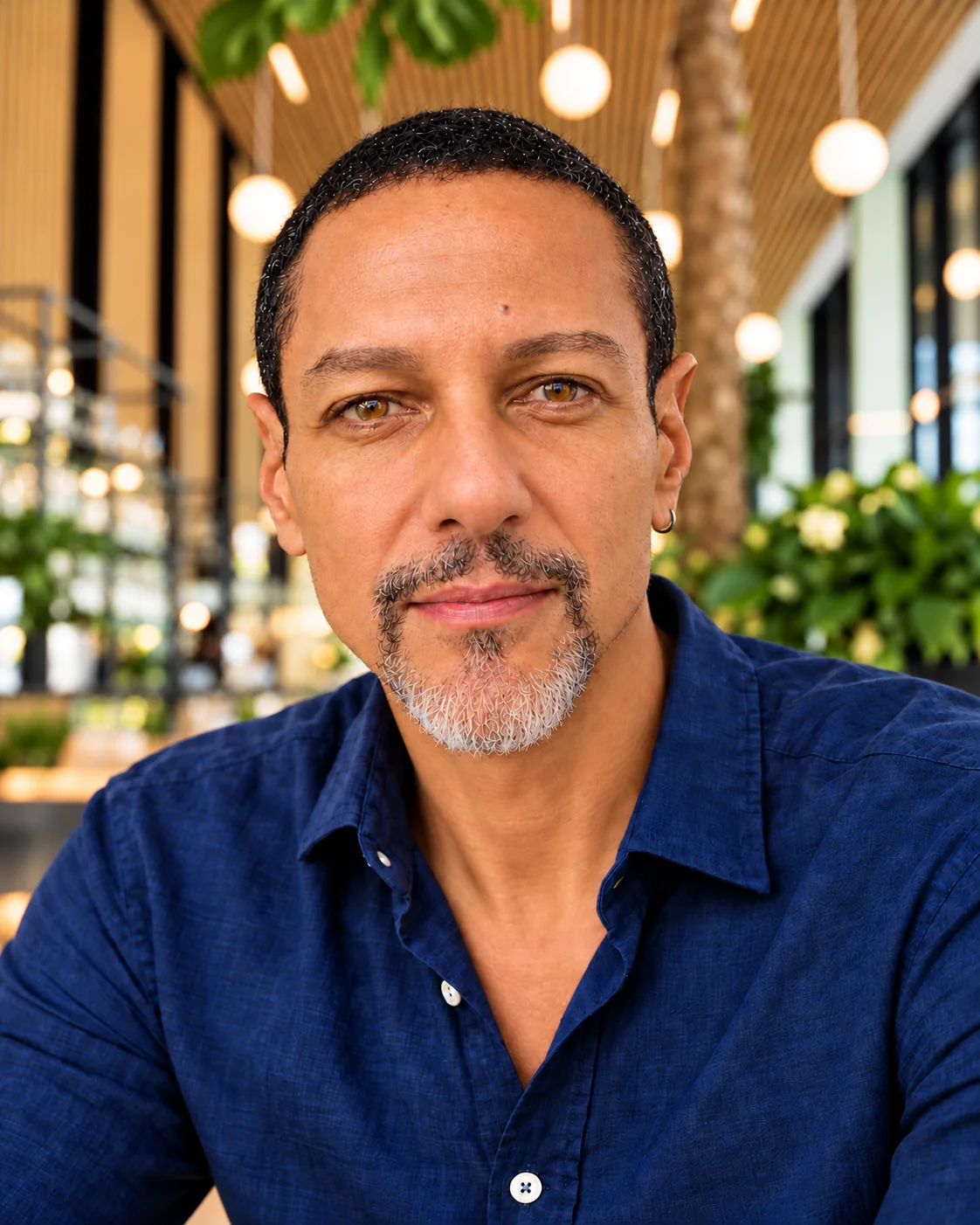

I did not wake up one morning and decide to become an author. Writing found its way into the places where ordinary explanations fell short. I have been writing for a long time: notes, scenes, short stories — often in those suspended hours of a long journey when sleep simply will not come.
For years, writing has accompanied my journeys, the waiting and the moments when time seems to stretch. On a plane, on a train or in a room far from home, an image, an overheard phrase or a small detail can be enough to begin a story. I write it down without yet knowing what it might become.
For a long time, these pieces remained separate: pages, ideas, beginnings of stories and observations caught in the moment. They were not books. They were a way of holding on to something before everyday life could erase it.
Today, some of those fragments are beginning to connect. Characters emerge, stories grow, and pieces written years apart sometimes reveal an unexpected continuity. There are several possible books here — not yet written as books, but already taking shape in the notebooks.
Trois jours trop tôt comes from somewhere else. It is not an account of my travels. It grew out of my most recent writing, when an idea stopped being a simple note and became a story in its own right.


“Some stories begin long before we realise they are being written.”

Long journeys have often offered the perfect space: when sleep will not come, a note becomes a scene and sometimes a story.
Years of individual pieces, memories, ideas and characters. Rather than a publishing plan mapped out in advance, a collection that keeps growing.
Some fragments are now beginning to form complete stories. What once seemed scattered is gradually revealing threads, voices and the possibility of several books.
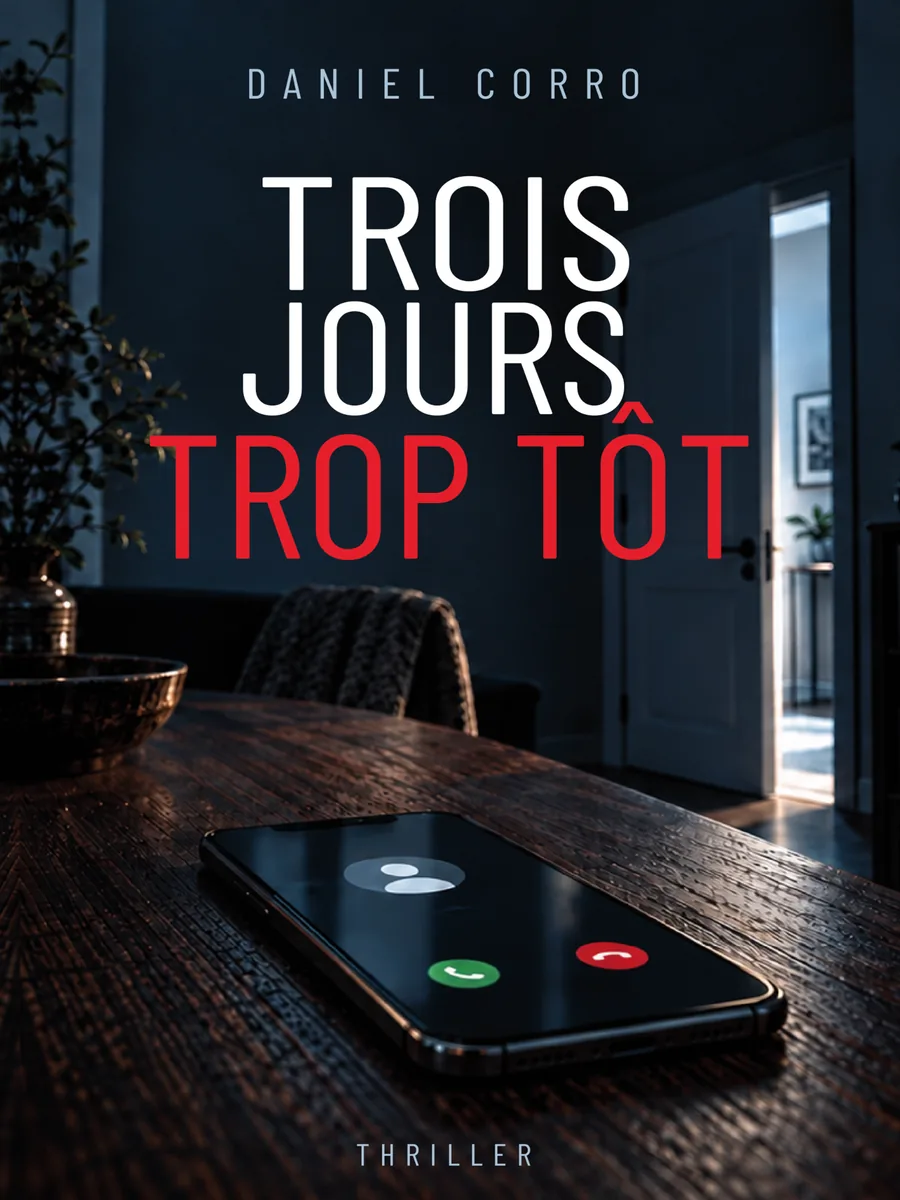
Three Days Too Early
Forthcoming in French and Dutch.
The first call lasts forty-seven seconds. It has not happened yet.
At Telcoo Télécom, Nicolas Hanquet is responsible for the integrity of the call logs. When he finds a recording dated three days in the future, he looks for a technical explanation. But more conversations appear. They speak of an accident, a disappearance, a murder. Then the events begin to happen.
Nicolas keeps investigating, convinced that someone is tampering with the network. Until, in a new recording, he recognises his own voice. Panicked. It warns him not to try to find out where the calls are coming from.
Set in Belgium, Trois jours trop tôt is a technological and psychological thriller that explores our relationship with truth, the role of technology in our lives, and how freely we can choose when our certainties begin to unravel.
The ePub editions will be available through Kobo and Kindle.
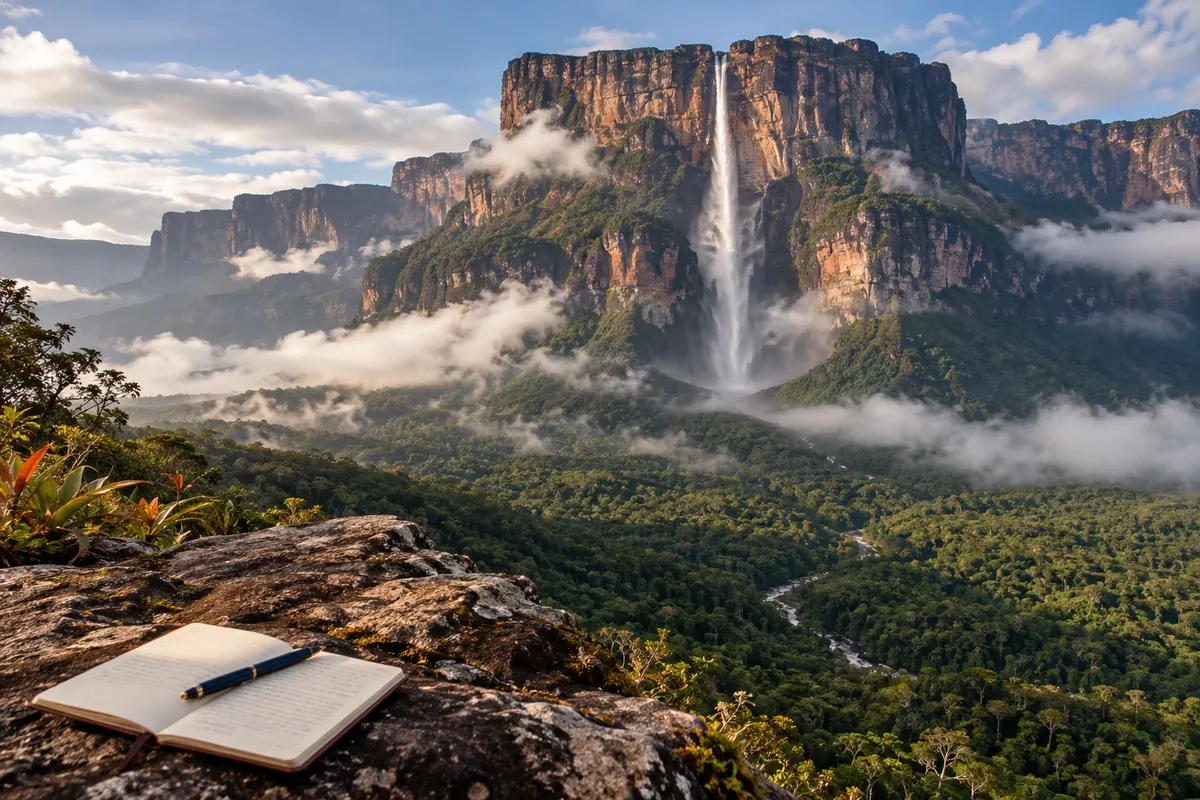
The water falls, turning to mist before it reaches the ground. Standing before it, thoughts seem to lose some of their weight. Some landscapes need no explanation. They simply ask us to stop.
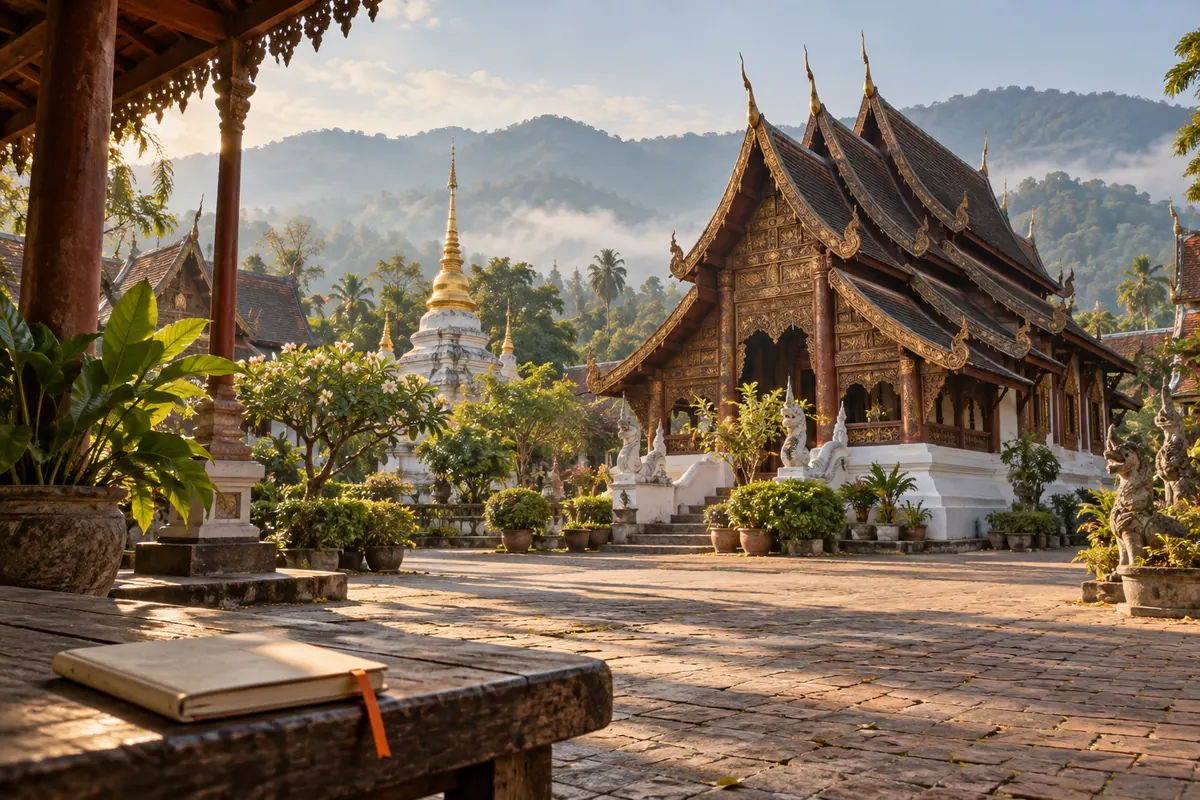
Around a street corner, the noise fades behind a temple wall. The city carries on nearby, yet time seems to move at a different pace. Perhaps crossing a threshold is sometimes all it takes to see differently.
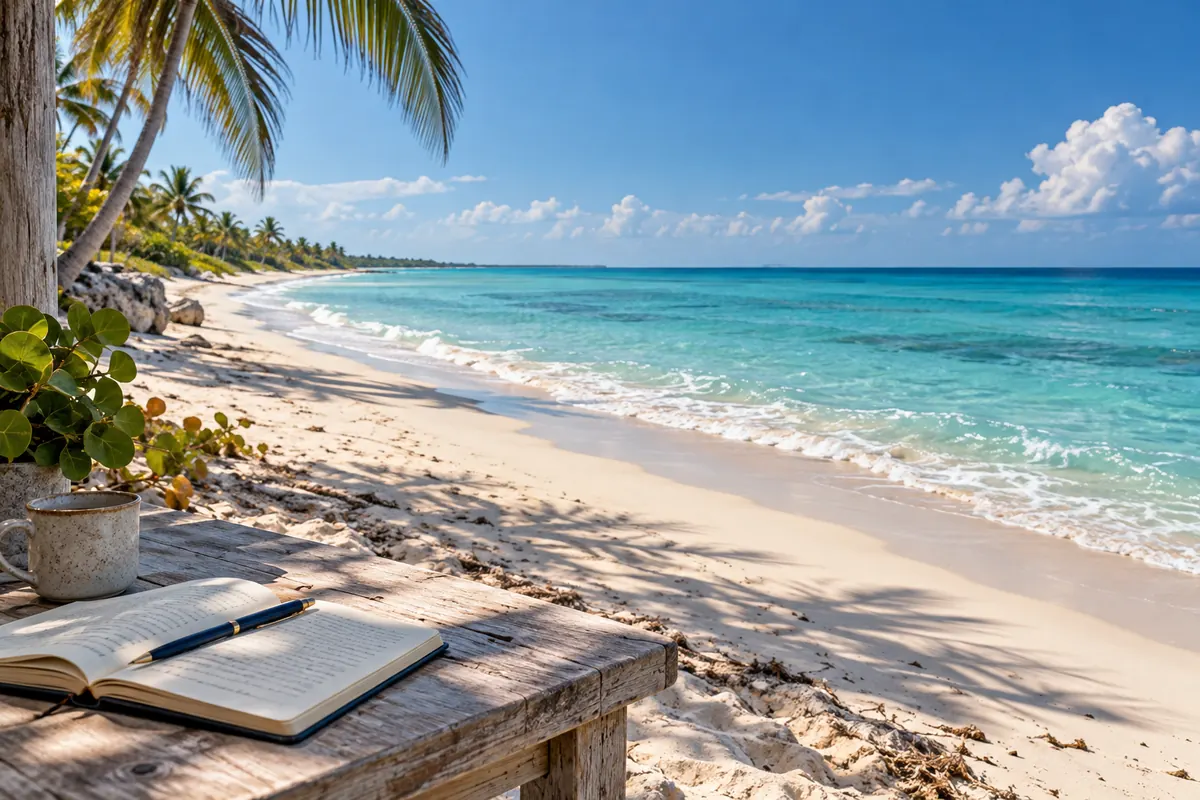
In Varadero, the blue seems to have no beginning or end. Yet it is not always the colour of a shore that stays with us. Sometimes it is a voice, a moment of waiting, or the way the sea takes back every trace.
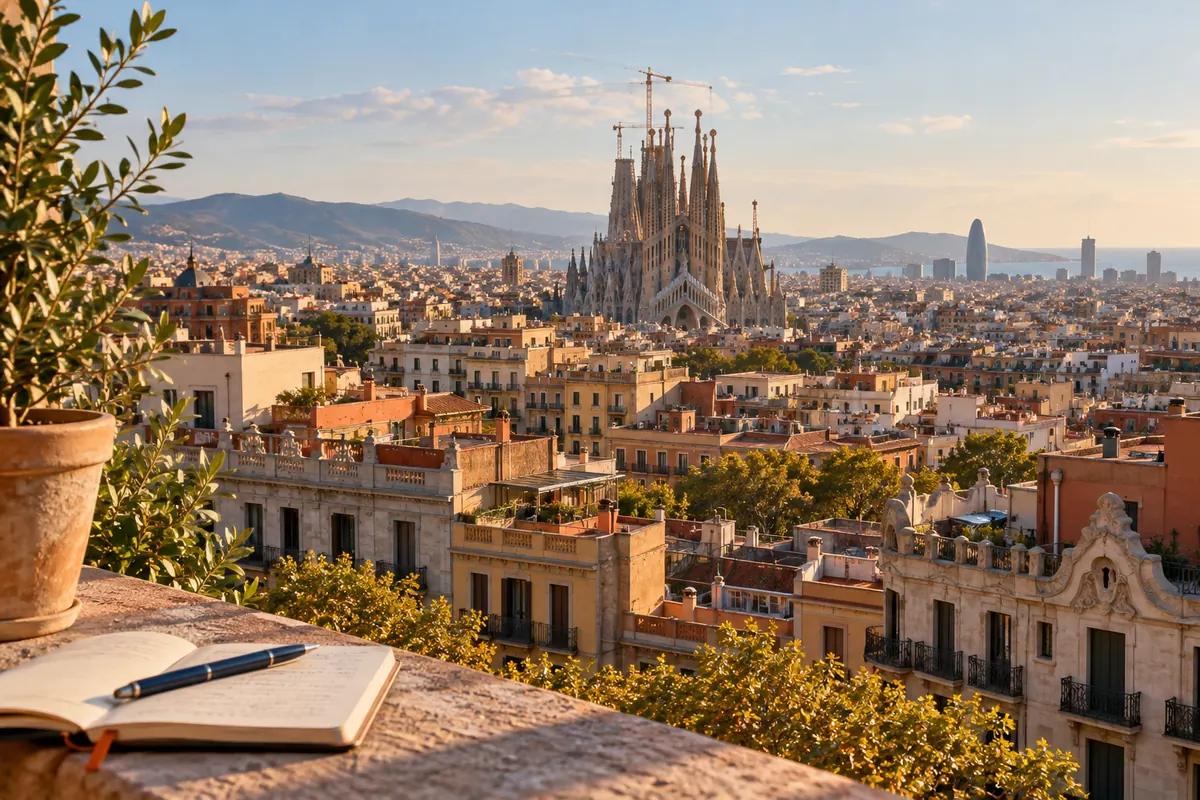
Barcelona reveals itself as you walk: a façade, a shadow, a conversation left behind. Its streets layer one story over another without explaining them. We think we are crossing a city; what we carry away are fragments whose meaning will come later.
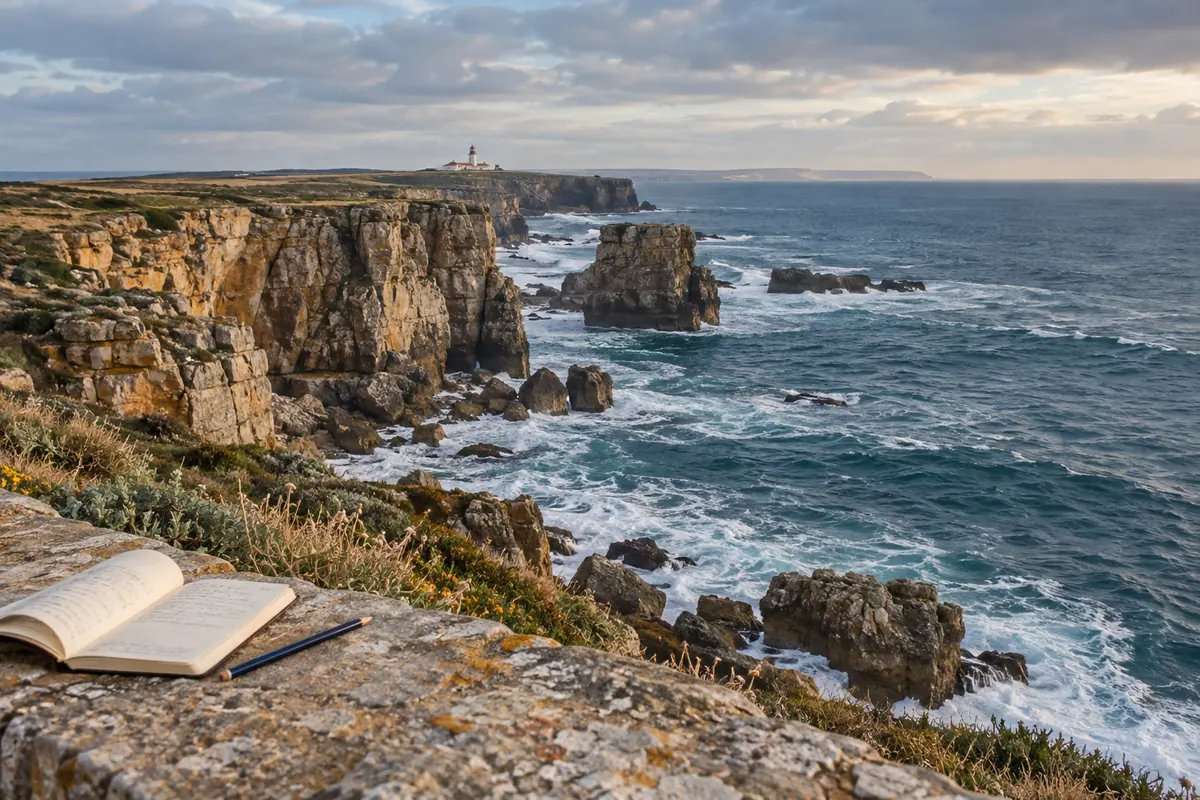
In Peniche, the wind arrives before the words. It makes us slow down, stand our ground and let the sea speak louder. Facing the Atlantic, our certainties are like lines in the sand: clear, but temporary.
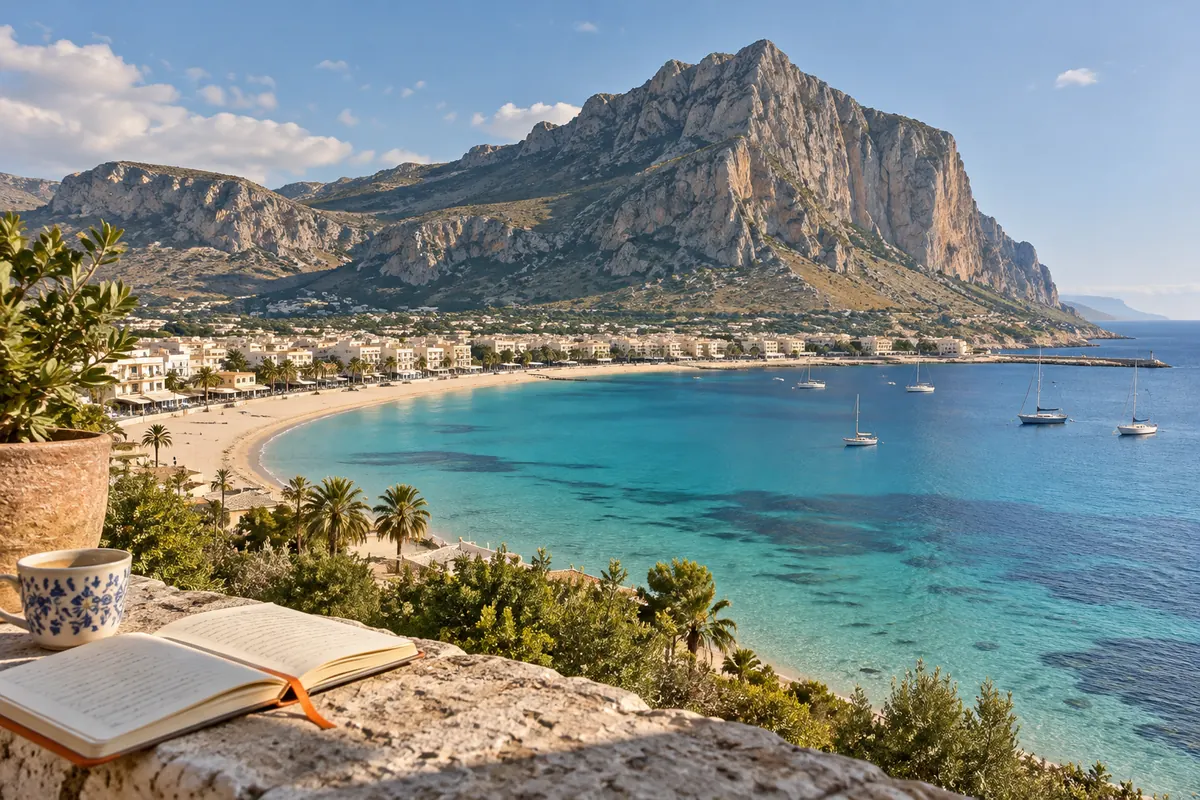
The light in San Vito Lo Capo gives everything an almost unreal clarity. The shore, the mountain, the houses: each seems to belong exactly where it is. Then a shadow moves, reminding us that one landscape can hold several truths.
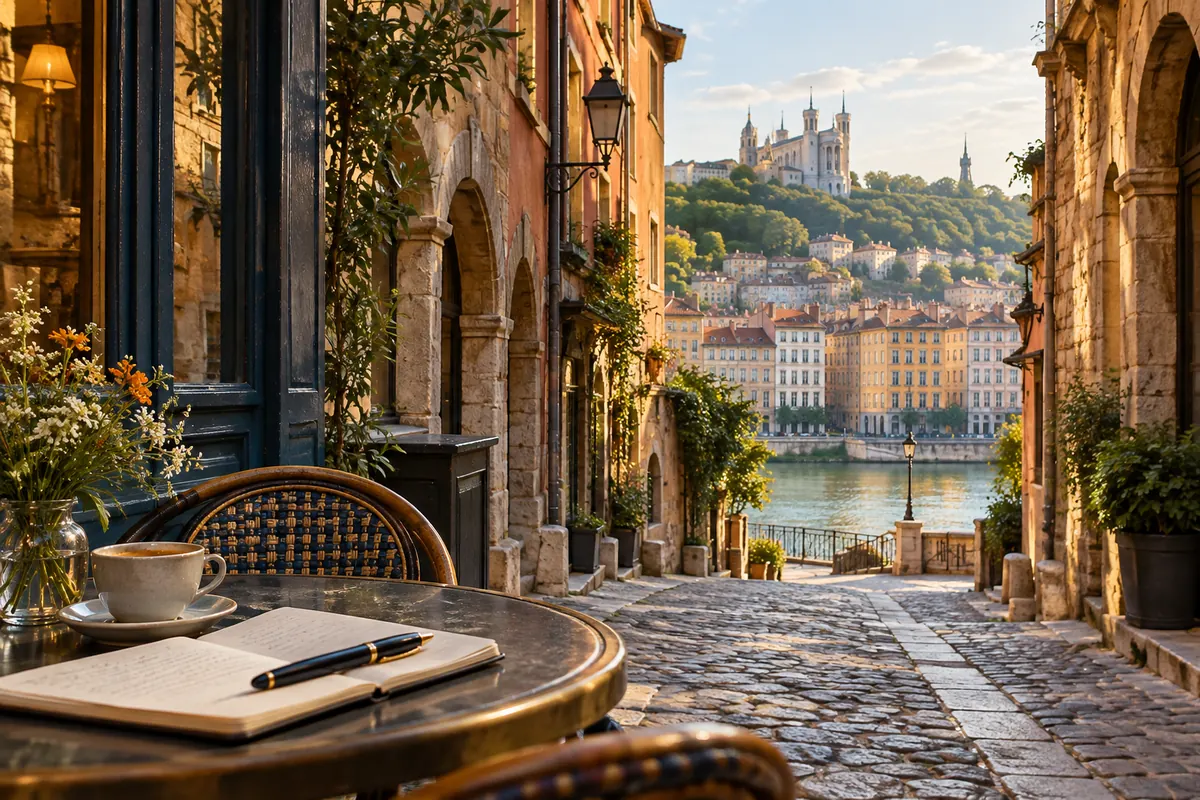
Between two streets in Lyon, a passage opens into another city. Beyond the façade lie a courtyard, a staircase, a silence. Stories can be like that: the entrance is visible, but we can barely guess how far they go.
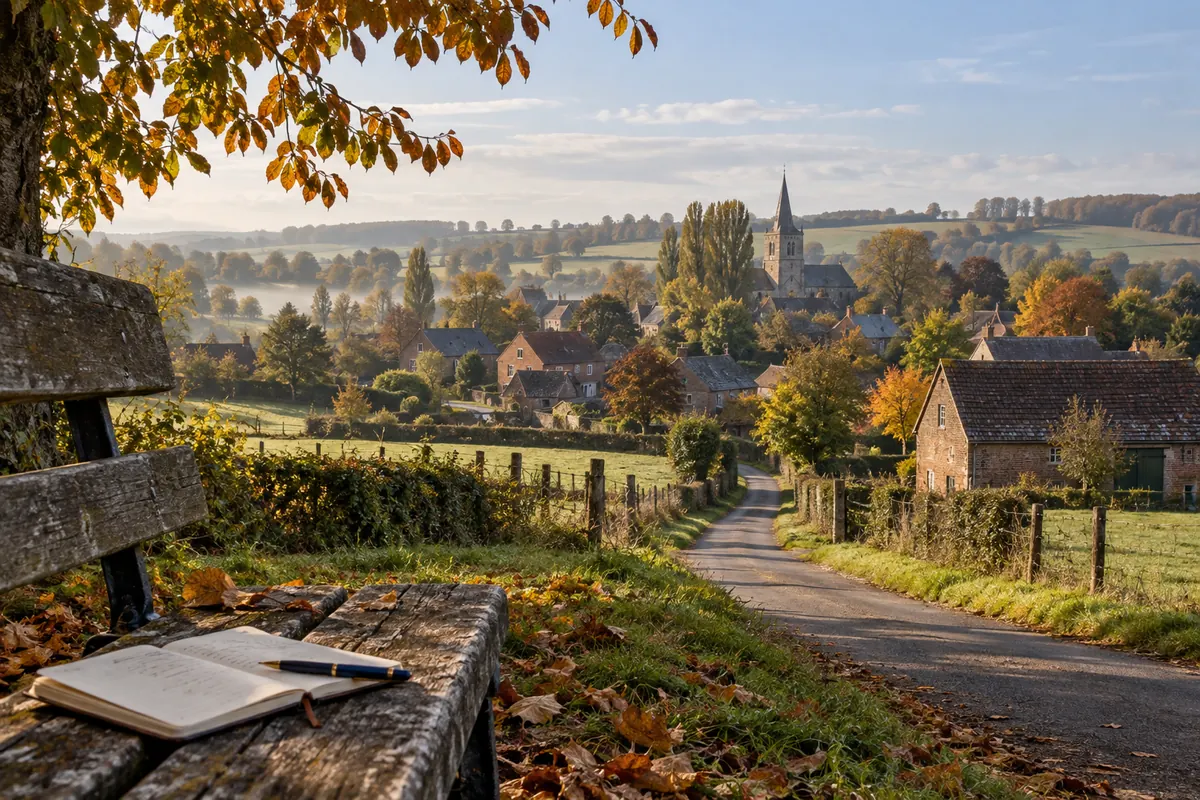
In Silly, a path, a few trees and the silence between the houses are enough to hold the eye. We do not have to travel far to shift a thought. Some journeys begin when we finally notice what was there all along.
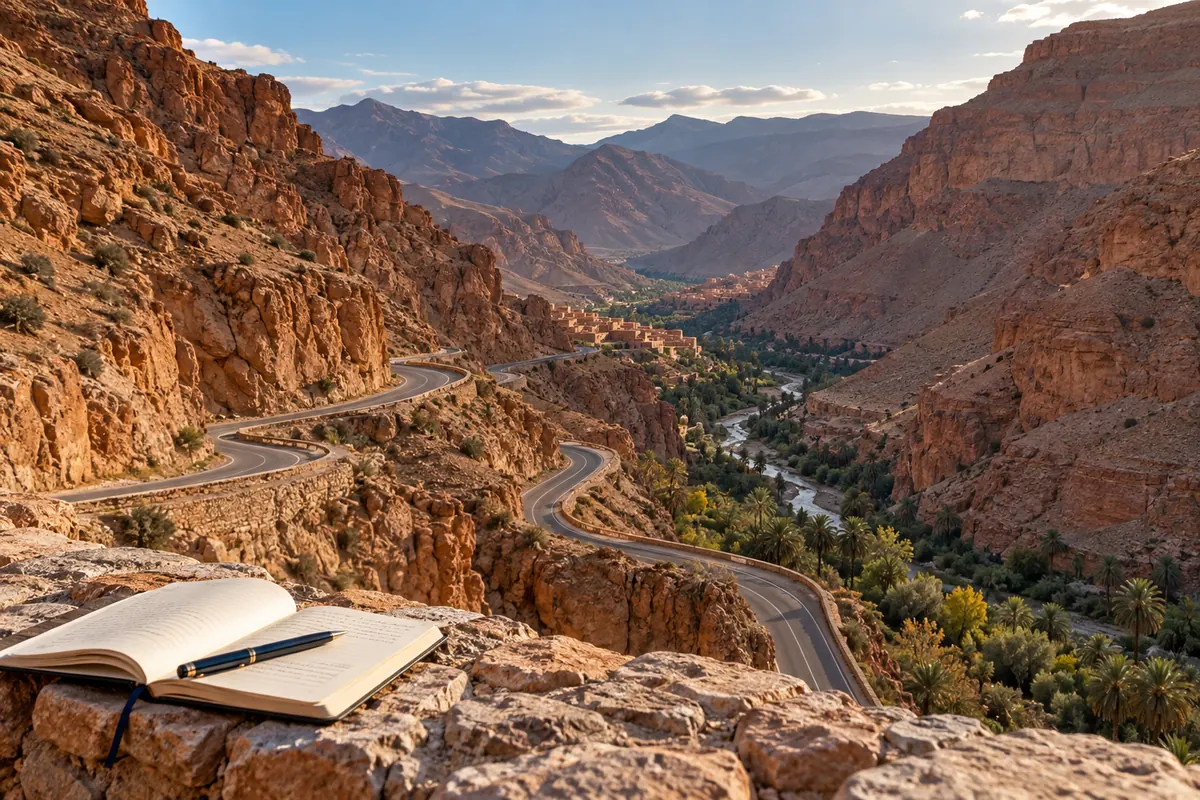
In the Dadès Gorge, the road follows the rock and seems to hesitate at every bend. The landscape never reveals itself in a single glance. Moving forward here means accepting that we cannot yet see what comes next.
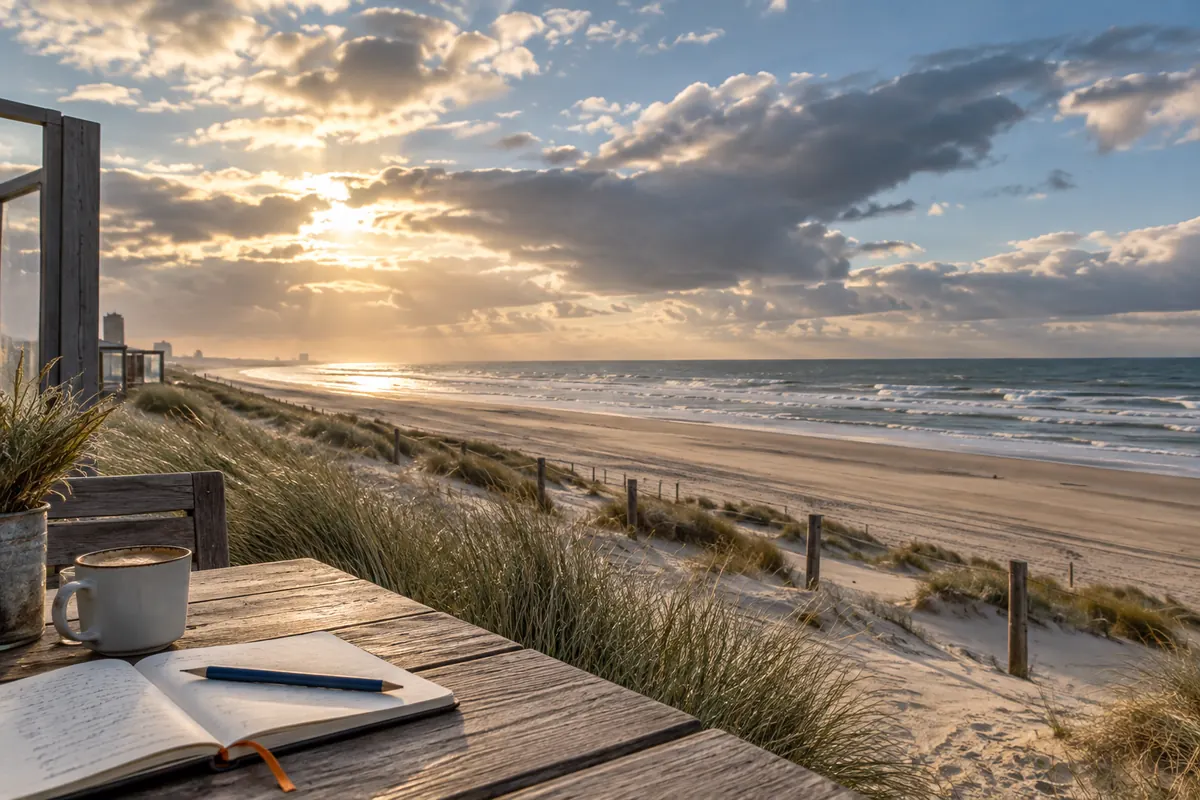
In Zandvoort, the beach leaves plenty of space between footsteps. The North Sea changes colour without warning, and the horizon stays open. On some days, that lack of boundaries is worth more than an answer.
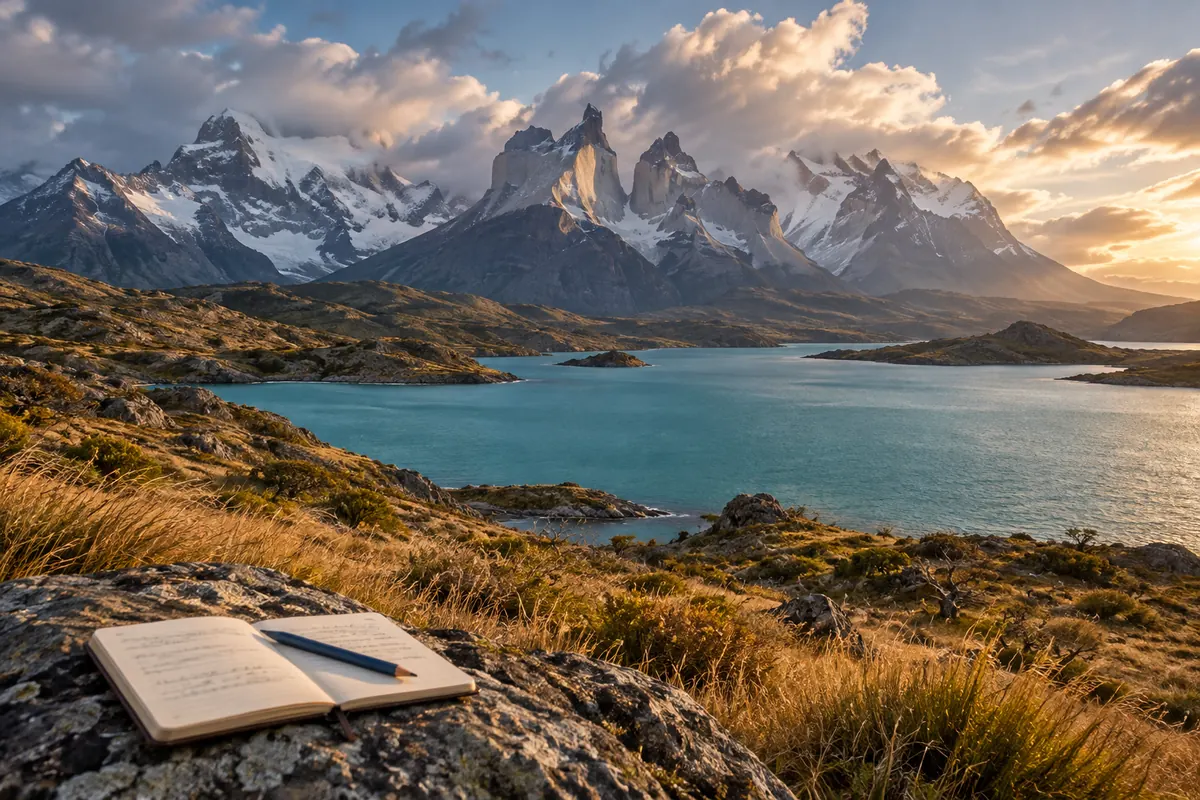
In Patagonia, the distances leave less room for words. Wind, stone and water tell a story that has no need of us. In that vastness, a small thought can suddenly find all the space it needed.
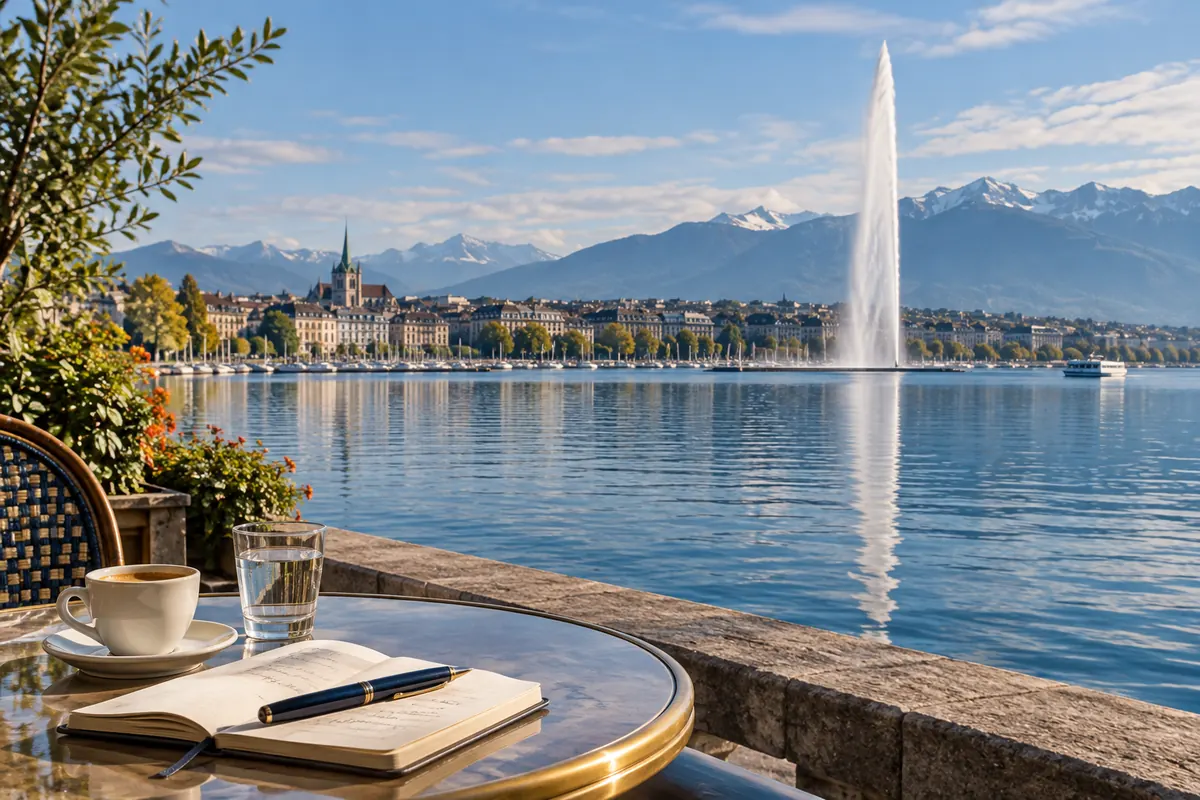
In Geneva, the lake offers a breath of space between the façades. Everything seems to form precise lines, until the water makes them tremble. Even in a city that seems to have time under control, a reflection can change how we see.
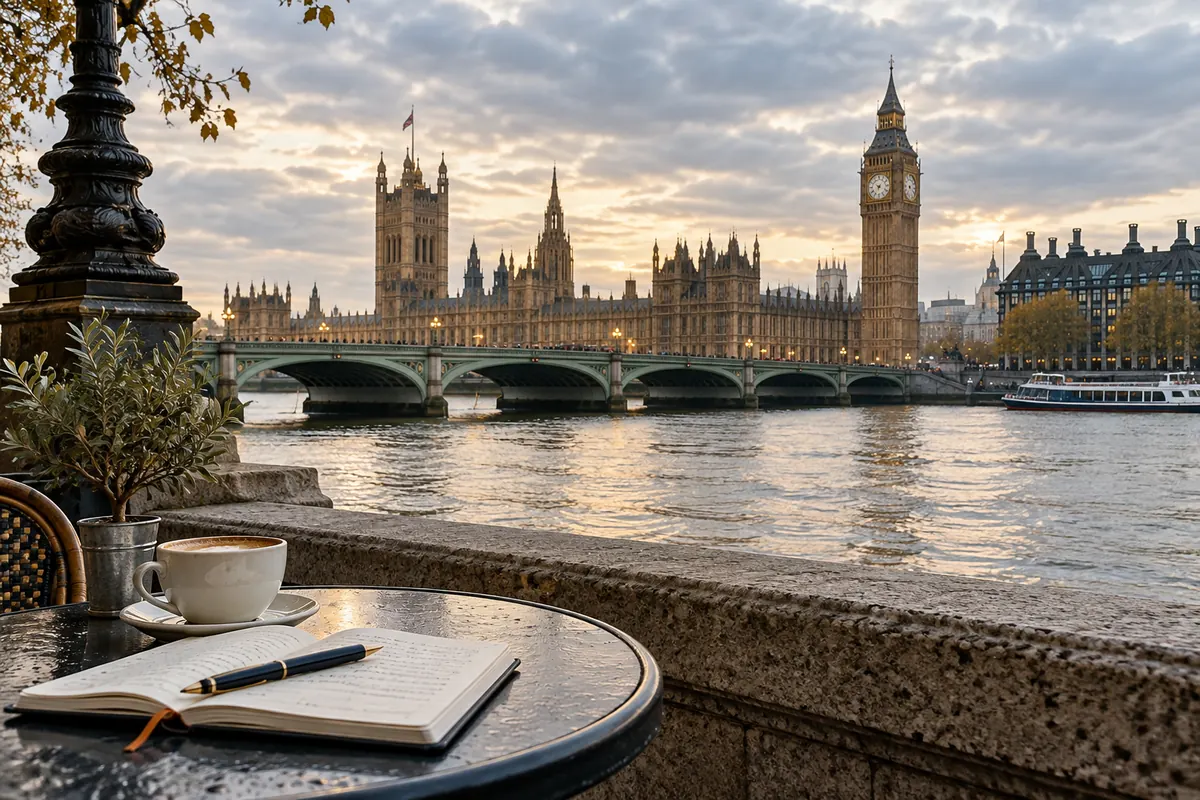
London moves beneath a sky that promises nothing. A bus passes, the Thames carries on, voices cross without meeting. In that crowd, a story can begin with the detail no one had time to notice.
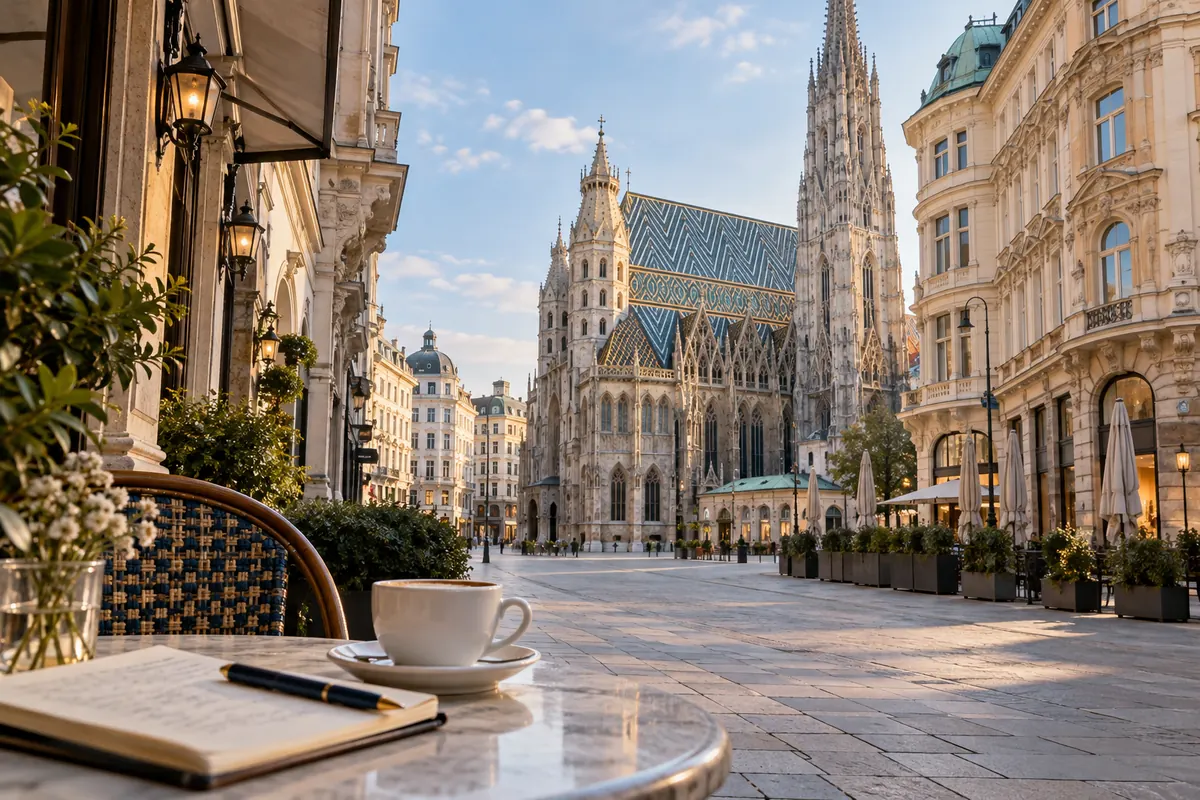
In Vienna, the façades seem to hold on to something solemn. Then a cup is set on a table, a door opens, and the city becomes intimate again. The grandeur of a place never stops its smallest scenes from telling us what matters.
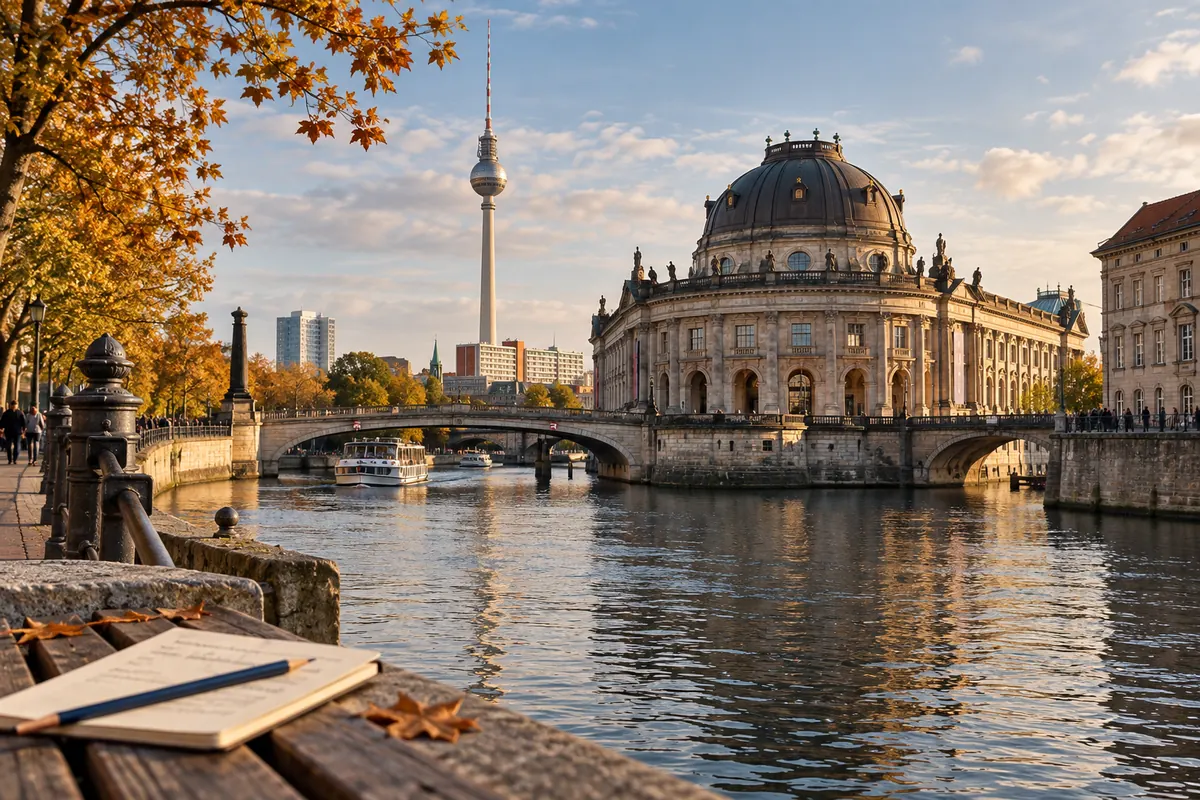
Berlin lets its ruptures show between buildings, walls and open spaces. Nothing seems entirely erased or finally complete. Some cities remind us that rebuilding is not about forgetting, but finding a way to live with the traces.
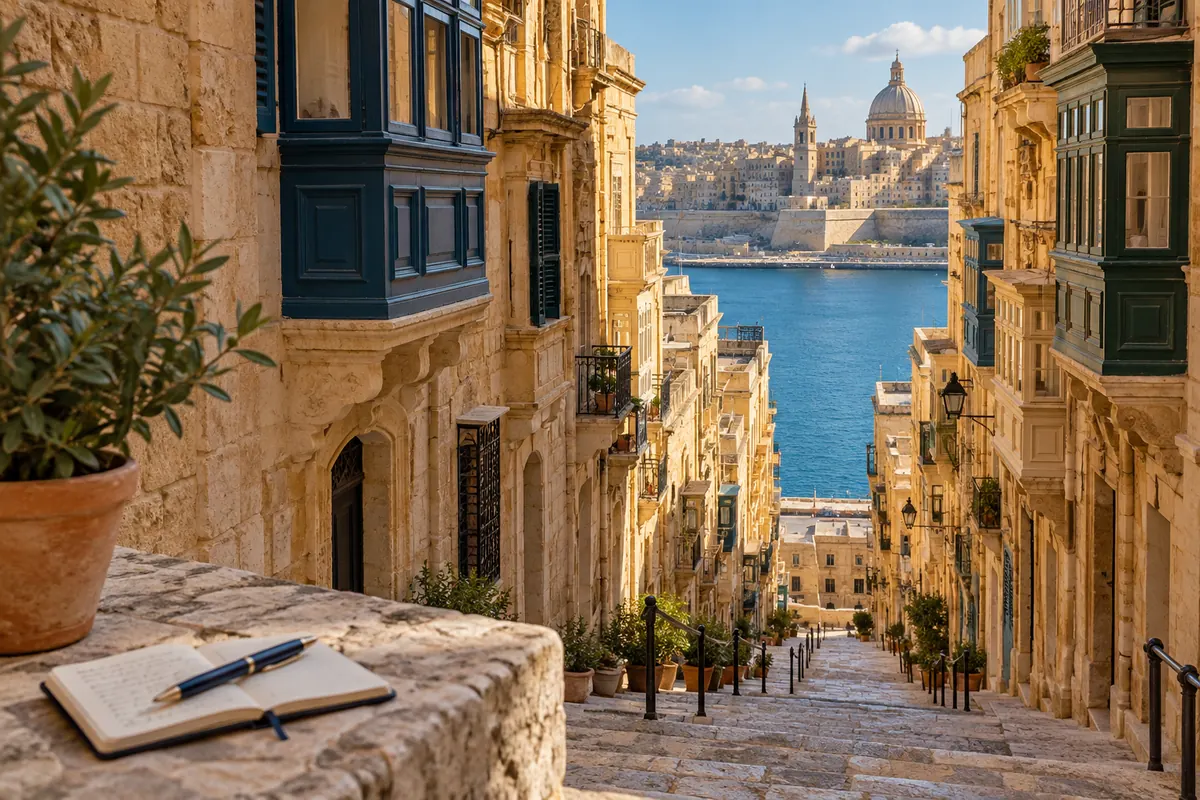
In Valletta, the stone holds the light even in the narrowest streets. At the end of a staircase, the sea reappears and gives the view a different depth. Sometimes a few steps are enough for a city to become more than a backdrop — to become a question.
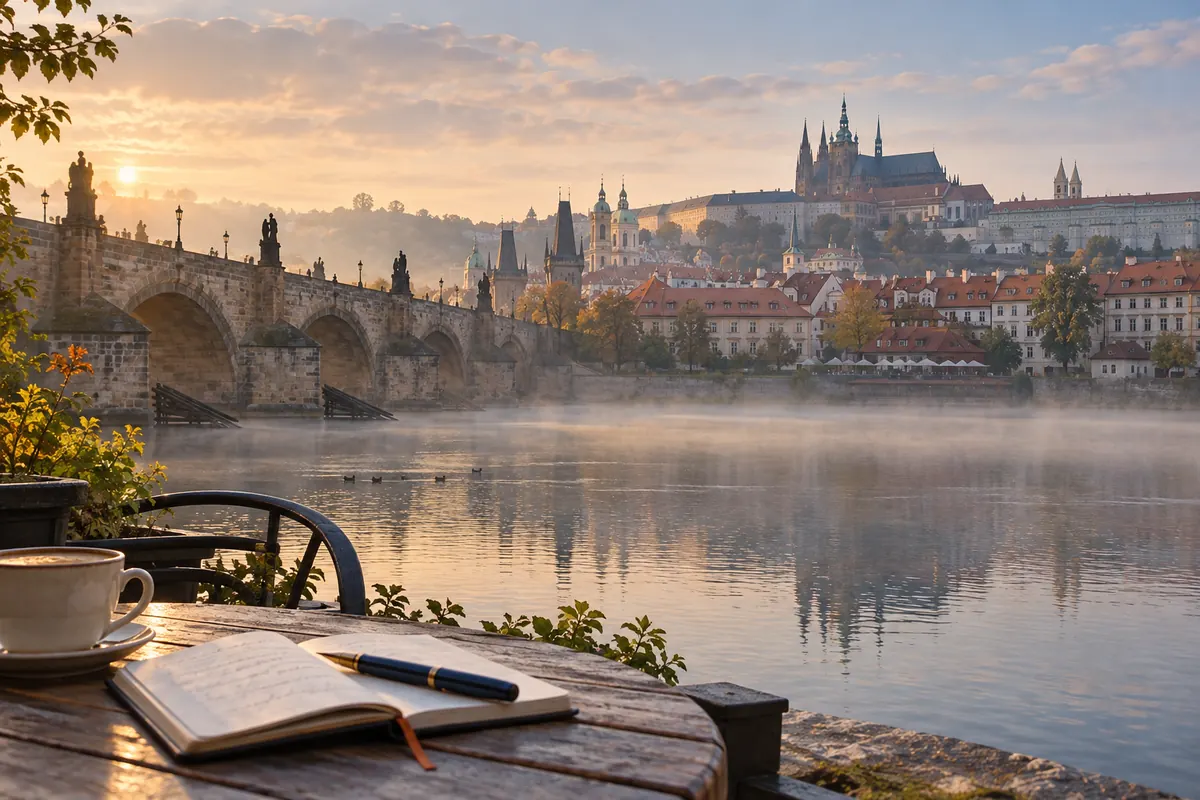
In Prague, the rooflines echo one another above the water. A bridge joins two banks, yet leaves the distance between two thoughts untouched. We cross, look back, and something of the journey lingers long after we arrive.

In Mykonos, white walls hold the light while the wind brushes away footprints. Memory sometimes does the opposite: faces fade, yet a detail remains — a blue door, a quiet moment by the sea. Writing gives these fragments a shelter the wind cannot reach.
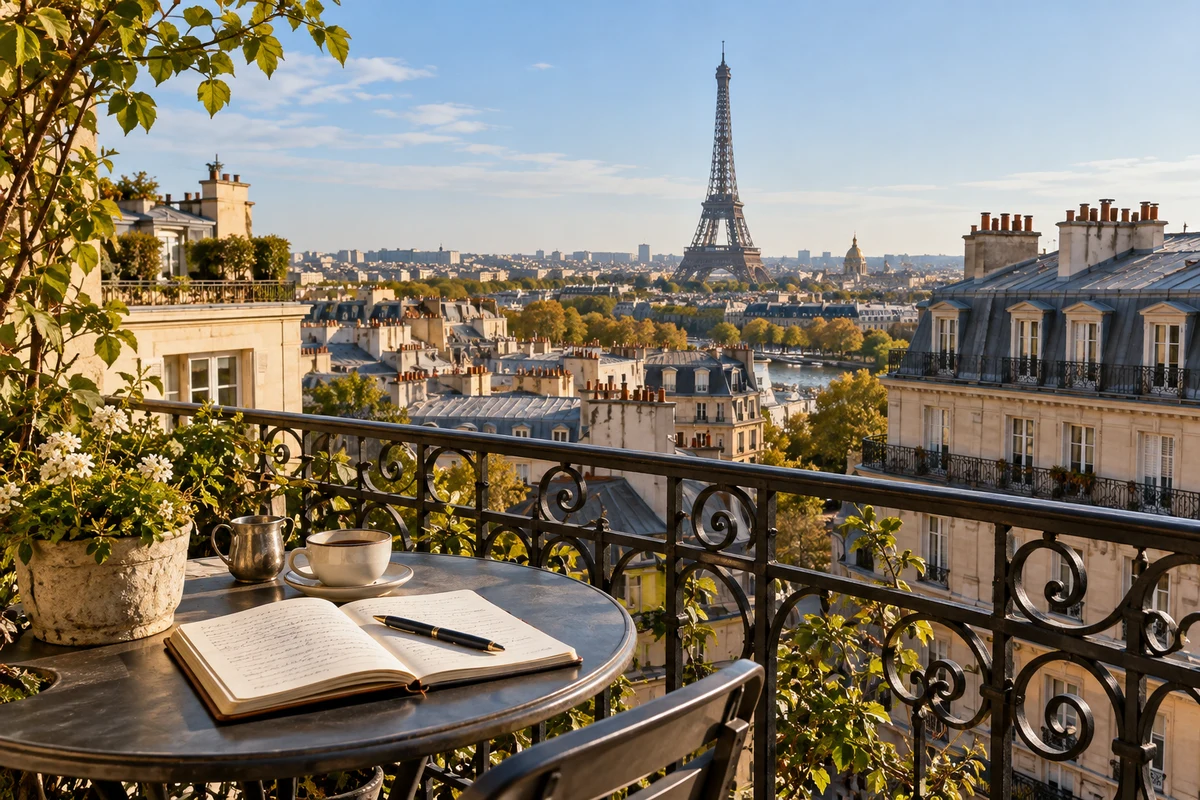
From a small hotel terrace, Paris seems to fit between the rooftops and an open page. The Eiffel Tower gives the eye somewhere to settle; on the table, a notebook waits for more than a description. Some cities have been written about so often that you need to sit quietly before finding words of your own.
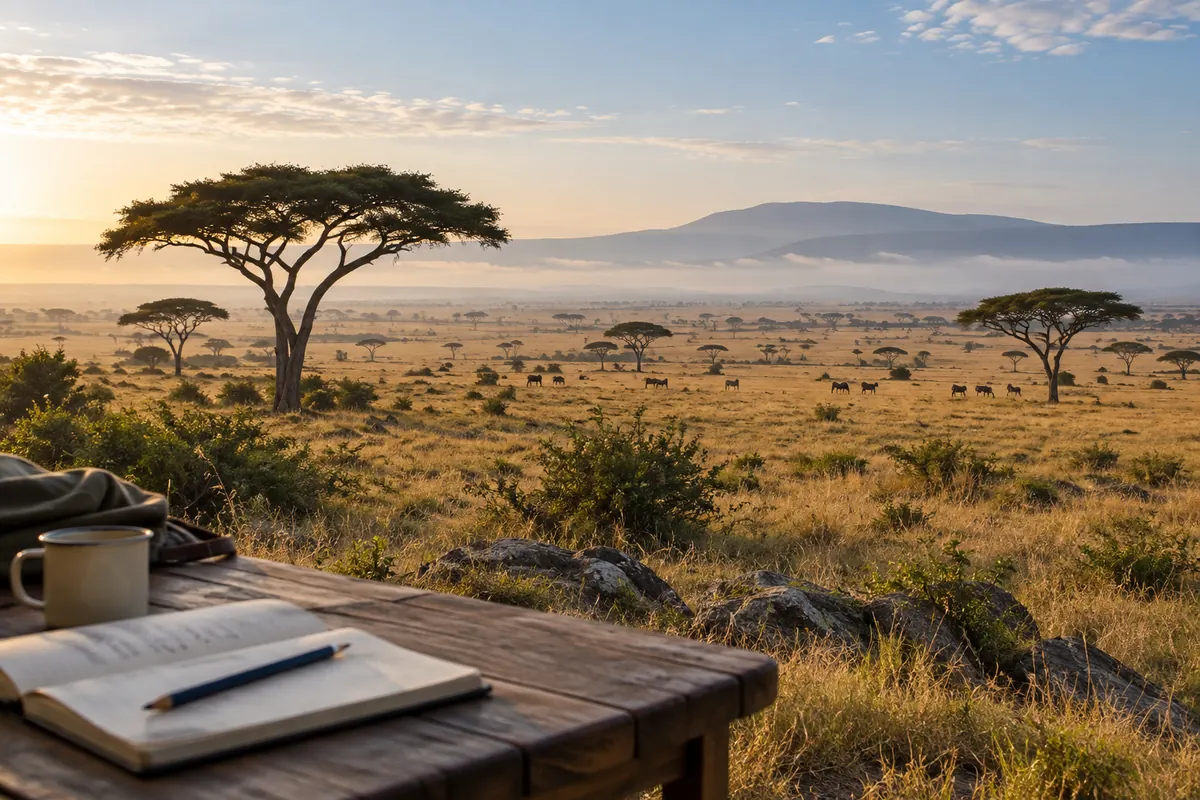
In the Serengeti, the horizon seems to retreat as our gaze moves forward. Grasses, shadows and distant movements fill the landscape with an immense presence. Here, waiting is not time wasted. It is a way of learning to see.
Would you like to get in touch, share your thoughts on the book or suggest a meeting? Take a moment to write a message using the form below.
